
No matter where we go, we always long for home.
Sitting at a desk at work, you want to go home.
Kids stuck in a classroom lecture, they want to go home.
On a long road trip and sick of the car, let’s go home.
Trying to sleep in an unfamiliar motel room, I wish I was home.
Swept away to a strange land after a tornado in Kansas, there’s no place like home. (Wizard of Oz)
Helping a group of dwarfs find fight a dragon and reclaim their lair, “I often think of Bag-End. I miss my books. And my armchair, and my garden. See, that’s where I belong. That’s home. And that’s why I came back. Because… you don’t have one. A home. It was taken from you. But I will help you take it back if I can.” (The Hobbit)
In short, we think about going home a lot.
Seeing the world and going on adventures is fun. But at the end of the day, we want to be home. There is a natural longing, an ache, to be in a place that we control and feel comfortable in. A place that, hopefully, is full of love and rest and quiet. An escape from the world.
For some of us, that may mean our current house. For others, our childhood residence or a friend’s place. Many find home in wherever friends and family are. Others, where their favorite things and comfort items are gathered. And some of us may still be dreaming of a future where we have a safe place to land.
Throughout my life, I’ve found home in a plethora of places- apartments, trailers, houses, hospital rooms, camping tents.
I’ve also found that certain places will never feel like home to me- motel rooms, empty houses, crowded places.
The difference?
The way a place feels.
There is a tangible feeling of peace when you enter a home, that is not present otherwise. A feeling that the walls are drenched in love, the kitchen has produced good meals, and the bedrooms are soft and comfortable. A feeling that you belong and the storms raging outside are stopped at the threshold. A feeling of peace, acceptance, and safety.
Creating that feeling is the art of homemaking.
And though our society has made us believe that working outside the home is most important, and our homes are hobbies we do on the weekends- society is backwards.
C.S. Lewis said:
“A housewife’s work… is surely, in reality, the most important work in the world… What do ships, railways, mines, cars, government etc. exist for except that people may be fed, warmed, and safe in their own homes? We wage war in order to have peace, we work in order to have leisure, we produce food in order to eat it. So your job is the one for which all others exist.”
Many cultures even had a specific goddess who represented and honored the home. Hestia, my favorite Greek goddess, was the goddess of the hearth. It was her that kept the fire burning and the home of the gods ready for their return when they went out on adventures. It was her work that, at the end of the day, even the gods wanted to return to. It was her that women called to bless a house and make it a home. She did not have a temple, for she resided in the homes of each family through their hearth, a symbol of family, community, and belonging.
In the past, men and women both worked from home. The men went out into the fields and cared for the larger animals, while the women and children tended the home, garden, and small animals. These were both full-time jobs that complemented each other. One without the other signified an incomplete life. And though both men and women are outside of the home working now, much of the homemaking still falls upon women, many of whom have a natural urge to nest. However, men also work to make a home by tending to chores, doing repairs, and doing scheduled maintenance tasks.
The truth is, homemaking is enough work for everyone, especially in a world where most of the day is spent outside of the house. Mom and Dad go to work and children go to school. Homemaking was always meant to be a full job. Something important enough to focus on. Something that satisfied that longing that we feel when we aren’t home.
A house is a place to live. A home is a place to rest.
My family recently sold our house and moved within the same city. The house we moved into is over 100 years old and had fallen into disrepair. The walls were coated with dust and dirt, the yard was layers of trash, and the bedrooms were cold, drafty, and spotted with cracking and crumbling plaster.
In short, the house was not well taken care of.
Since we moved in, our family has worked hard to make this house into our home. It has been an overwhelming project and, somedays I want nothing more than to move into a new, unbroken place. But, each project we finish, no matter how small, make this house more like home. Give us ownership, pride, and a sense of belonging. Makes us more comfortable and at peace. And, though we are not yet done (it will probably be a few years), we get a little closer every day to what we want.
I’ve learned that starting small, working constantly, and taking time to enjoy accomplishments are the keys that help motivate me.
So, where do you start?
12 Ways to Make a House a Home
1. Clean and Organize
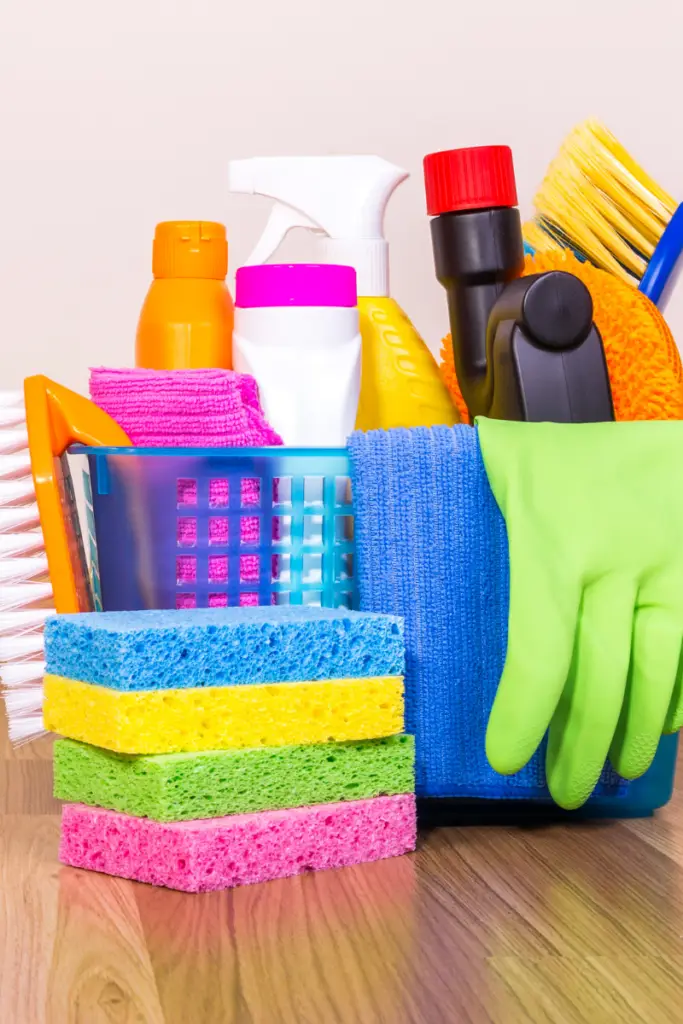
The first step to feeling cozy in your home is getting everything the way you want it. This starts with cleaning. While physical effects of a clean, neat home cannot be denied (fewer allergens, tripping hazards, pests), the emotional effects are very real, too. A tidy home decreases stress, increases ownership, and helps save time and money. In fact, a clean home can help you stay focused when you are awake and sleep better at night. (Source)
However, for many the idea of deep cleaning the entire house is overwhelming.
Where do you start?
I recommend starting with three simple tasks.
1. First, clean out cupboards, closets, and shelves. Remove anything that doesn’t belong there, dust or wipe them down with sanitizing wipes, and, and reorganize items so that they look tidy and are easy to find. Get rid of things that are broken or you no longer need without guilt.
You’ll find that this is a bigger job than it sounds. However, taking on one area over the weekend consistently can help improve the organization in your home over time. Alternatively, pick one cupboard or shelf whenever you have a 30-minute window. Work for 30 minutes and then come back when you can. Find what works for you and your schedule, but stick to it. Having these areas clean and decluttered allows you to easily put things away as you clean up the rest of the house.
2.Clean the bathrooms. Wash down the walls with soapy water, clean the toilets, sinks, showers, and bathtubs. Clean the mirrors. Mop the floors. (Life hack: put shaving cream on the floor around the toilet to remove that boy bathroom smell). Clean up and wash the dirty laundry. Hang the towels. Cleaning a bathroom takes me about thirty minutes and gives me a room in the house where I can relax and feel a sense of accomplishment in cleaning. When you’re done cleaning the bathroom, take some time to enjoy it. Light a candle, take a long shower (or bubble bath), and bask in your hard work.
3. Pick up the kitchen. Do the dishes, clear the counters, throw out the trash, and sweep. Throw out old and expired foods. A clean kitchen is essential for health, but it also means the biggest job is behind you. A clean kitchen makes cooking less stressful and prepares you for the day. If a kitchen is the heart of the home, keeping it in working order keeps the rest of the house going.
After completing these three tasks, move on to other areas in your home. Slowly get rid of dust, clean windows and walls, mop floors, declutter, and put things in proper places. Do what works best for you and find tricks that make cleaning more manageable for your family (e.g. cleaning days, chore charts, organization tools, a housekeeper or one-time cleaning service).
You’ll find that by simply starting, you’ve done the hardest part. Having one cleaning or organizing task done builds a sense of pride and accomplishment, and it becomes addicting. Keep at it and look for ways to enjoy your progress as you go, rather than trying to take it all on at once.
Finally, adopt a regular cleaning routine, even if it is simple:
Every day- pick up clutter, do dishes, wash a load of laundry and put it away, clear and sanitize kitchen surfaces and dining table, clean up after pets
Every week- refill supplies (TP, tissues, shampoo, dish soap), dust surfaces, mop/vacuum floors, clean bathrooms, wash bedding, deep clean pets, clean the microwave, clean out the fridge, take out the trash, mow the lawn, take trash out for pickup, sweep the porch, harvest from the garden/fruit trees
Every month- check air filters, check water filters, clean the oven, groom and deworm pets
Every season- wash windows (inside and out), care for trees and outside plants (plant or clean out garden, trim trees, fertilize yard), winterize/get ready for summer
2. Build Up Storage-The One Extra Rule

After cleaning and organizing, you likely have found that you have some extra space. While the goal is not to fill it in with clutter, but having some storage is a smart way to reduce stress (and last-minute trips to the store).
Our house started with the one-extra rule.
When you run out of an item you use regularly in your home, buy a replacement and one extra.
For example, my family goes through shampoo, soap, mayo, tissues, water bottles, and alfredo sauce like we live on those things. Finding a little money in the budget to slowly get one extra of each of those things has saved us countless last-minute panic trips to the grocery store. When an item runs out, we can simply grab the next one, add that item to the list for your next shopping trip, and move on with life.
Studies show that the fewer trips you make to the store, the less you buy unnecessary items. Life shows that when you have what you need without going to Walmart at 10 pm in your pj’s, you are calmer.
One note about storage- don’t go overboard. I speak from experience. I am a prepper and honestly, it got out of hand. I realized this when we had to move all the stuff into a home that was much smaller than our previous one. And while some items never go bad, having buckets full of black beans (we don’t eat black beans) was a bad idea. Start slow, buy only what you will use and what fits in your home comfortably.
3. Learn to Say No

Modern-day life is full of opportunity. There are so many things to do, see, and buy that it feels like we can never keep up. And, over time you learn- if you want peace in your home you have to stop trying to keep up. You have to learn to say no. Not all the time, but especially in three specific areas.
- Say no to protect your time. Don’t enroll the kids in every activity they want to do, choose one or two each year. If they want to do more, they can pick something new next year. Don’t volunteer yourself for every class, project, or need. Help others when you won’t overwhelm yourself or abandon your own needs. If you find yourself constantly exhausted and stressed, look around to see what you can cut out to give yourself some down time. Sitting outside on the porch drinking sweet tea and doing nothing else is a special kind of magic, but it has to be actively protected and worked towards.
- Say no to protect your space- Don’t buy all the latest crap. Don’t buy every little thing that catches your eye. You don’t need it. You don’t need to make space for it. You can (and have) lived happily without it. There will always be a new toy, gadget, decoration, or must-have thing. If you try to make your house as fancy as the neighbors, it will never feel like your house. Choose the items you actually need, and get off Amazon.
- Say no to protect your calm- Your home is a place that should feel safe and protective. Many cultures have stories about inviting monsters over your threshold and the horrors that ensue. But in every story, those monsters have to be invited in by the homeowner. Don’t let the monsters in. Whether that means not allowing certain visitors, installing locks and cameras, putting cinnamon around your door, or spraying the perimeter for bugs, make your home a safe haven by allowing yourself to say no to those things that make you feel unsafe.
4. Create a Routine

Studies show that having a routine helps calm our nervous systems, balance our emotions, increase coping mechanisms, and decrease stress.
As a mom I know- everyone else in the house has a routine. You fit into that wherever you can.
However, establishing a routine in your home is an important part of making it have that magical feeling. It helps everyone know what is expected, which makes them feel safer. Life becomes predictable in certain ways, and, while the routine may change day-to-day, there may be bad days where everything goes crazy, or fun activities may blow the whole thing out of the water from time to time, waking up and knowing how the day will go makes everyone calmer, more productive, and better at getting along.
A family calendar, scheduled meals, chore charts, and regular activities can help establish a routine. Wake up and go to bed at the same time each day. Use the time in between to get work done, spend time with loved ones, and do something you enjoy. Insist on daily chores, daily hygiene, and daily learning from each household member. Try to improve something each day, even if it’s only a small step forward. Have at least one meal at the table as a family, allowing each person to share their day. Set aside family fun days, date nights, or kid activity days to rest, pursue hobbies, and learn new things. Find a routine that works for your household, and stick to it.
To create a routine, start by writing down the time you wake up at the top of a page and the time you go to sleep at the bottom. Next, add the things in a day that have set times. Work, school, meetings, lessons, meals.
Next, make a list on the side of things you would like to get done in the day but don’t necessarily have to be at a certain time. Chores, hobbies, projects, shopping, a shower, exercise, activities. Plug these into your mapped day during time intervals that work for you and are long enough to complete them. A shower, for example, may need a 30 minute window while a bug project may need 3 hours.
Implement this plan everyday, making adjustments as needed for changes in day-to-day activities. Over time, this will create a pattern in your life. Your brain and body will adjust and your motivation will increase.
5. Do Regular Maintenance
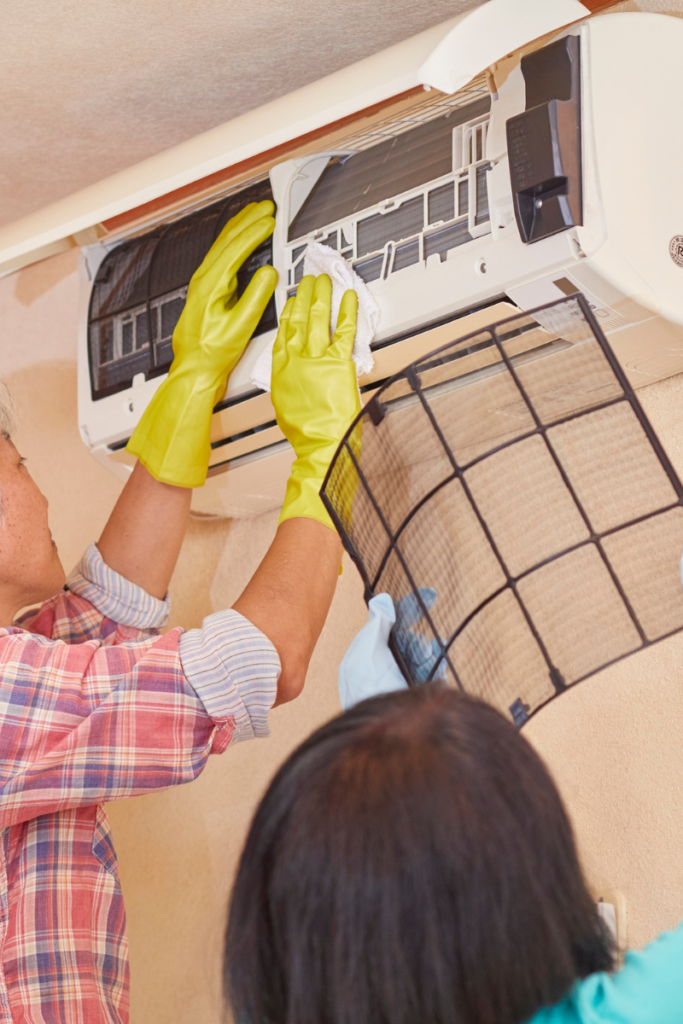
I know, none of us like to change the air filter, pull the weeds, or fix the lawnmower. We don’t want to tear our lives apart to paint a room or deep clean the dishwasher.
But, regular maintenance saves time and money in the long run.
The easiest way for me to get all the maintenance tasks done is to make them a part of the routine (see step 1 on cleaning). Each item is scheduled on my calendar and, within a month, I force myself to do them. These include things that aren’t done every day- deworming the animals, changing the water filter, planting the garden, winterizing the trailer, trimming trees, paying the car registration, and signing up for classes. Each item goes on my calendar in the Notes section of the correct month at the beginning of the year. When we come to that part of the calendar, those items become priorities that must get done. In the long run, this means I don’t have sick animals, clogged or frozen pipes, out-of-control weeds, late payments, or missed opportunities.
Make a list of regular maintenance tasks for your home, add them to your calendar (or set them in your phone), and get them done on time. Even if you’re tired. Even if it’s a hassle. Future you will thank you.
6. Decorate- For Every day, Holidays, and Seasons
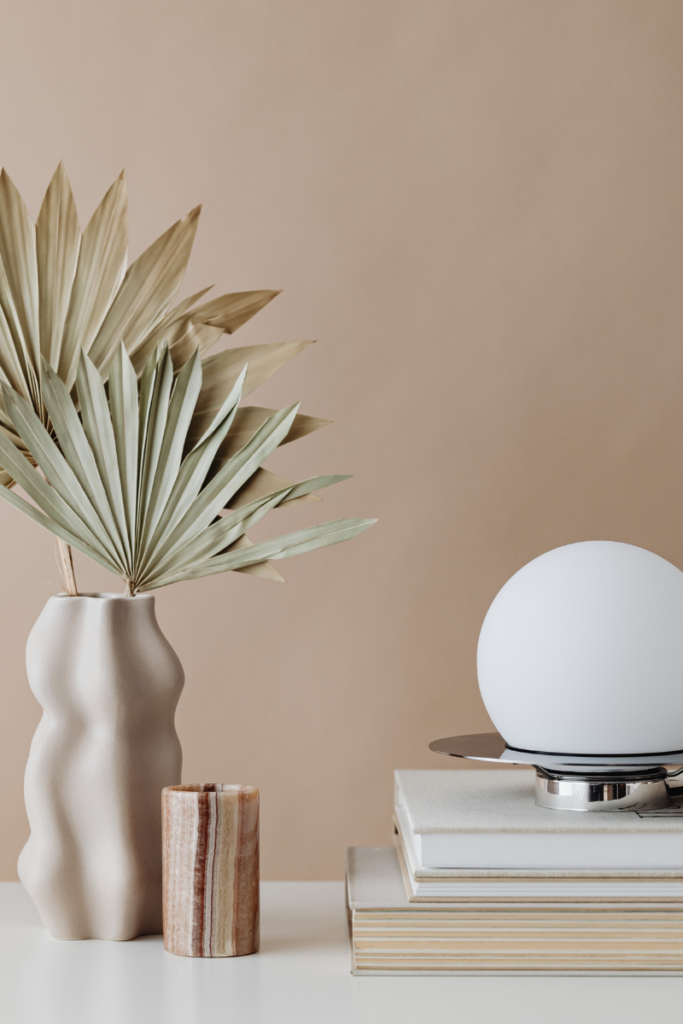
Did you know that many animals decorate their homes, including humans? Even my pigs get upset when I move stuff around in their house because they had it the way they liked. There is something inside us that wants to make our environment pretty. And while it’s not a necessity, decorating brings a sense of control, peace, and joy.
Decorating is one of those things that you cannot do to keep up with other people. Most of my decorations are home-made, come from the thrift store, hand-me-downs, or from a dollar store.
It doesn’t have to cost a lot of money, it just has to make you happy.
Decorating for everyday: One thing I do splurge on is paint. Using colors you love can affect the way you feel in your own home. Choosing calming colors for bedrooms (e.g. green, blue) can help you sleep better, while choosing warm colors (e.g. reds, yellows) for playrooms can instill a sense of excitement.
Adding rugs, curtains, blankets, towels, art, pictures, and items that are important to you can complement these colors and make your home reflect your personality. None of this has to cost a lot. You don’t need the specialty Percy Jackson blanket, orange sheets will give the same feeling. You don’t need the $500 chandelier, look for a dupe or simpler version.
Choose a theme-for the whole house or for each room. This theme might be a simple color scheme, it might be a favorite time period, hobby, or movie. Look around at what you already have and how it all fits together. Then go from there.
My kids each choose a theme for their rooms, chose paint colors, and picked a few decorations (all under $30). Everything we bought for their rooms goes with this theme, though it may not be obviously sold with the theme name. Their bathroom is a Harry Potter theme and is packed with house colors and small items they’ve collected over time. Halloween decorations bought the day after Halloween, gifts they’ve been given because of an interest in Harry Potter, dollar tree bottles filled with “potions”, and homemade frames with quotes from the movies. Decorating can be simple and inexpensive and still be meaningful.
Decorating for holidays: I live in Utah, and Halloween is king. You would think it would be Christmas, but for some reason everyone goes all-out for Halloween. Pumpkins, zombies, and flashing lights everywhere. It really is the time when keeping up with the neighbor peere pressure is on full blast.
However, our family loves Christmas/Yule and we focus a lot of our big decorations during this time. This means a smaller budget for Halloween. We put up a few spider webs, carve pumpkins, and put witch hats on our lamps, but can’t keep up with the craze that sweeps across the state in the fall. There’s enough to set the spooky mood, but we don’t go overboard.
If decorating for every little holiday is overwhelming, decorate for seasons instead. At the start of each season, put out simple decor that reflects what is happening outside in nature. Pine garland for winter, pastel flowers for spring, bright beach balls for summer, and fall leaves can bring a festive feel to your home for months. Search for items that are seasonal but not too specific, decorate four times a year, and be done.
Final tip: Buying a bin and saving holiday decorations from year to year saves tons and makes the stress of choosing what to do each year non-existent. Rather than redecorating completely each year, save items and purchase one or two each year until you have enough. Use those over and over again, rotating out for seasons and holidays as needed.
7. Comfort: For the Good, the Bad, and the Ugly

Life is a rollercoaster of ups and downs and your house should feel like home whether you are at the top of a hill, turning a sharp curve, stuck in a rut, or even if you come off the track completely. As a homemaker, it’s important to prepare your home for each of those types of days, because they will come.
On good days, homemaking is about keeping the house tidy, maybe working on a project or two, and enjoying the general comfort of your home. Celebrate good days with your family by making a special treat when a child does well on a test, having a simple movie party when friends are visiting, or playing games together when you get that promotion at work.
Preparing for good days looks like tidying and adding to a game closet, stocking up on baking mixes, candy, or cookies, having a comfortable, clean room where you can watch movies or play video games, and having a clear table where you can gather together.
After a bad day, home is a place to seek shelter from all the things happening. Go easy on yourself, pull out those favorite snacks you have stashed aways (remember the one extra rule), take a bath, or curl up with a book. Allow your home to be the thing that gives you a hug and whisper You can try again tomorrow. For now, take a break.
Preparing for a bad day includes having band aids and basic medical supplies on hand, having a hidden stash of favorite treats for each member of the house, preparing a comfortable spot to sit free of distractions, having supplies for a hobby on hand, being emotionally regulated when helping others work through things, and having the house in a state where you can stop and take a break without everything falling apart. It also includes a plan to help others in the home with their daily tasks, if needed. In our house, everyone knows how to do every chore. If one of us has a rough day and doesn’t finish, others pull together to get things done, keeping the house orderly and peaceful.
On ugly days (e.g. physical sickness, injury, death in the family, mental illness, financial losses, trauma), the world stops. Our family has had its share of ugly days, and sometimes ugly months. During these times, we’ve learned that rest, reassurance, and routine are key. While it’s the last thing in the world you feel like doing, and sometimes seems impossible during these times, keeping some part of the normal routine helps the entire house feel better. Choose just one part of the day, whether that means chores, meals, or even just showering, and keep it as normal as possible. This give the home a feeling of control, purpose, and hope for better days.
However, ugly days also require rest. Let go of things that are not immediately necessary and allow yourself to take a nap, do something out of the ordinary, enjoy a hobby, or order in a treat or meal. Ask for help from family or friends if necessary tasks seem like too much. Healing, both physically and emotionally, is very hard work. It takes energy, time, and patience, leaving less of those things for other aspects of your life. It doesn’t last forever, and allowing yourself to properly heal gives you a better future. It is not sitting around doing nothing, it is allowing future you (or whoever is healing) to be fully recovered.
Preparing for ugly days includes having a safe place to land, supplies you may need, and financial resources that will get your through until you are back on your feet. A home should be clean, have a reserve of medical supplies specific to family conditions, and a comfortable place to rest. It should also include discussions about medical care, end of life wishes, funeral planning, and a will. A home has a reserve of easy-to-make meals, phone numbers of friends to call when help is needed, and a savings account of at least $1,000 (though eventually it should be at least 6 months income). Ugly days will also call for comfort items- fluffy blankets, stuffed animals, fuzzy socks, extra pillows, or favorite snacks and drinks.
As the homemaker, it’s important to remember, you set the mood in the home. You are the one creating that feeling of safety and love. If you are happy, if you are an example of perseverance and faith, if you keep going when you are frustrated, if you hug a crying child, everyone else will too. Celebrate with family when they are having a good day, sit down with them on bad days and talk, and serve them on ugly days. When you exemplify these things for them, they will learn to reciprocate when you need them to be there for you.
8. Create Resting Nooks
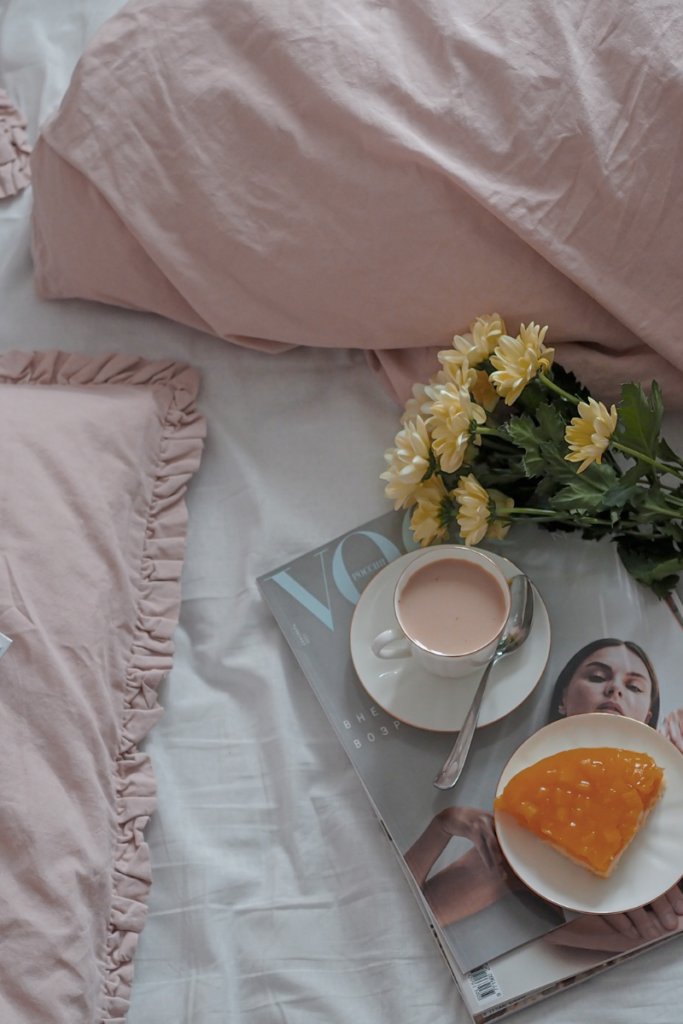
No matter the type of day, home is for resting. For putting your feet up, or lying your head down, and simply allowing yourself to be comfortable and happy.
Each room in your house should have a resting nook. A landing place that is comfortable to just be in.
While the internet has lots of cute ideas with flowing curtains, excessive pillows, and cute under-the-stairs cutouts, resting nooks can also be as simple as a comfortable couch with a blanket, a shelf full of books, a bench by the window, a hammock or porch swing, a sofa big enough for every around the TV, a speaker to blast music though the whole house, a gaming station in the office, a well-organized craft room, lavender lemonade in the fridge, pillows on kitchen chairs, or a favorite body wash and a candle in the bathroom.
Resting nooks are an excuse to arrange furniture, purchase comfort items, and find the time to be still. They don’t have to be picture perfect, they just have to be comfortable for you and your household.
9. Play and Celebrate

For centuries, humans have come together to celebrate holidays, accomplishments, or simply being alive. We dance around campfires, eat in great halls, and blow out birthday cake candles. We gather around Christmas trees, exchange gifts, and play music in the kitchen while we cook. We play games, both inside and out, tell stories, and laugh at jokes. Children dress up dolls, sword fight dragons, and race tiny cars.
Humans love to celebrate and we bond most through play.
Part of making a house into a home is finding reasons and ways to celebrate and excuses to play.
In our home this looks like a well-stocked gaming closet, a popcorn machine and small soda fridge, outside toys like bubbles, basketballs, and a trampoline, dancing in the kitchen, a playroom for gaming and toys, funds for lessons and hobby projects, an annual summer camp with Uncle Trent, a yearly Christmas party with friends, big birthday parties for the kids, and special treats for mom and dad’s birthday. It’s traditions that happen around holidays (e.g. fireworks for 4th of July, a Krampus play in December, reading the story of the birth of Jesus on Christmas Eve, chocolates at Valentines, and an egg hunt at Easter). It’s mom and dad date nights without the kids, and one-on-one parent-child activities each month. It’s one day a month of no work- just board games, movies, and treats. Our plans are never elaborate (I don’t want to be stressed out), but rather simple, inexpensive, and focus on connection rather than what it looks like from the outside.
Making play and celebration a priority takes planning and time. However, it creates memories and bonds that will last and brings a feeling of belonging and joy into the home. Slowly stock up on games, basic craft supplies, items for a hobby, treats, and items that your family can enjoy together. Host simple parties (e.g. a tea party, taco night with friends, a movie party for the kids) and participate in those that you are invited to. Put down the phone, pick up a toy, and play. Choose a recipe for your childhood and attach it to a holiday and then make it each year. Go outside and play tag, spray each other with hoses, or watch the clouds float by.
Finding fun and happiness in the things around you, connecting to each other without phones or emails, and observing holidays create the moments that make home the place you (and your family) want to be.
10. Learn to Make Good Food

That rat from the Disney movie is right…..anyone can cook.
But, it takes time, patience, and practice to cook well.
Trust me, I know.
When I got married, I could make mac and cheese, grilled cheese, and ham and cheese. My husband, however, could open the fridge and pull out a meal fit for a five-star restaurant on a budget of nearly nothing. And, after 20-ish years of apprenticeship, I’m catching up to him.
Good food doesn’t have to mean expensive ingredients, over-the-top plating, or five hours in a French kitchen.
It just has to taste good and fill your tummy.
And while some days a frozen pizza or an out-of-the-box lasagna is where dinner lands, a homecooked meal with simple ingredients, eaten around the table together will always be better than any restaurant.
So, where do you start?
Well, here are 5 easy, quick recipes that my family loves:
Creamy Parmesan Garlic Beef Bowtie Pasta (serve with a veggie and some garlic bread)
Crepes (serve with your choice of toppings, we have berries and Nutella for a not-so-healthy breakfast)
Creamy Garlic Chicken Ramen Recipe (a whole meal by itself)
Search through Pinterest, with an emphasis on easy and cheap meals. Ask AI what you can make with the food you already have in your house. Ask your mom for recipes that you grew up with. Start small, keep it simple, and have fun trying new things.
Part of cooking good food is planning. Our family only shops twice a month, so we make two-week menus that include breakfast, lunch, dinner, and snacks. From that menu, we create a shopping list of ingredients. We shop, store ingredients properly so they last, and then simply choose meals each day from the menu. No guessing, no getting home in the evening with no plan for dinner, no last-minute trips to the store. On busy nights, we cook easier meals. On weekends, when we have more time, we try more complicated ones.
Additionally, we always have some backups and comfort items on hand. Ramen, mac n’cheese bowls, various pasta, alfredo sauce, baking mixes, pancake mix, popsicles, and juices. This way, if we are rushed, sick, or too tired to cook there is a simple backup to rely on.
11. Whimsey: Necessity, Not Indulgence
One of the reasons I think women are traditionally the homemakers, and not men, is because we have this superpower called whimsey.
From a young age, girls look for magic in the world. While the boys are stabbing each other with stick swords, we are searching for wildflowers, butterflies, and signs of fairies. We are building castles where the princess rules, making witch potions with mud, and planning beautiful weddings.
In a home, whimsey makes the good days better, the bad days bearable, and the ugly days slightly better.
Whimsey can be practical- a Minecraft water bottle, skull soap dispenser, herbal plants in the window, or storybook window covers.
However, it can also just be for fun. Something that simply makes you happy every time you see it. An inside joke for your household. It could be as simple as lighting your fireplace, turning on music, painting a tiny doorway near the baseboards, or adding glowing star stickers to the ceiling.
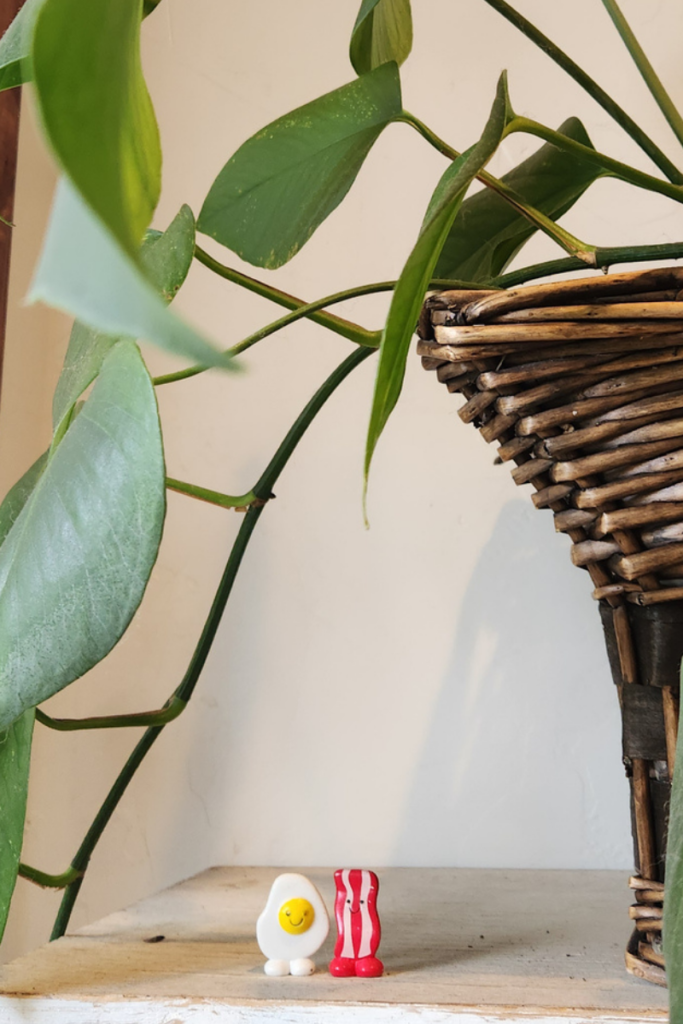
Our house has a fairy village, a map of Middle Earth, tiny figures of an egg and bacon (aptly named Eggs and Bacon), a Lego minifigure that is hidden and found by each family member in turn, a collection of swords, a giant axolotl Squishmallow, a volcano lava lamp, a rose nightlight, a dumpster fire mousepad, a ghost named Carlton that haunts the bathtub, and more.
Add something small, but meaningful, to each area in your home. Allow your kids to purchase something for their rooms. Place these items somewhere you will see them each time you enter a room. And let them make you smile.
12. Bless Your Home

While I know not everyone shares the same religion or beliefs, humans have been blessing their homes in some way for….forever. Asking for divine protection from God, gods, goddesses, or the universe in general is a powerful way to make your home feel safer, stronger, and more peaceful.
The Norse poured mead and left cake at four furthest points (one for each direction) of their land. The Greeks called on Hestia. The Victorians walked the perimeter of their property with a cross, posting it above their door and saying a blessing. Many Christians today say a special prayer or dedicate their home to God when they move in. Others simply sit quietly in their new place and manifest a future of peace and prosperity, while some simply do a deep clean.
No matter what you do, taking time to acknowledge your house as a place of protection as a family will help it feel more like a home.
Bounus Tip: Small Changes = Big Differences

Making a house into a home doesn’t have to be one big project. Whether you have lived there for 1 day or a hundred years, making small changes can make it feel new, more comfortable, or safer. Fix something that has been bothering you, rearrange furniture, add a poster, bring in some wildflowers, put a bottle of bubble bath next to the tub, or splurge on that new spatula. If there is something that will make your day-to-day life better, even if that something is small, it will make a big difference inside your home.