
The past couple of weeks the chicken coop has looked like a feather pillow blew up inside it.
So. Many. Feathers.
On the ground.
In the nesting boxes.
Just outside the run.
Why?
It’s molting season!
The time of year when egg production slows down, chickens look at little ragged, and you start to wonder if they are okay.
What is chicken molting?
Once a year, usually in late summer or early fall, chickens go through the process of molting. They shed their old feathers and grow new ones.
While this process is sometimes scary for new chicken owners, it is a natural way they prepare for the coming winter and refresh their look.
Why do chickens molt?
Feathers do not repair themselves. They simply get damaged or old, and molting gives chickens a chance to grow new, undamaged feathers.
The new feathers give chickens increased insulation for winter, helping them to trap body heat, keep their skin protected, and shelter them from the wet weather that comes with winter.
Their bodies naturally trigger hormones as days get shorter, leading to an increase in feather loss and the start of new growth.
What are signs my chickens are molting?
The first sign of molting is usually feathers all over the coop or wherever your chickens go. Feathers on the ground under the roost. Feathers in the nesting boxes. Feathers in the run. Feathers stuck to the chicken wire. Feathers near the feeder.
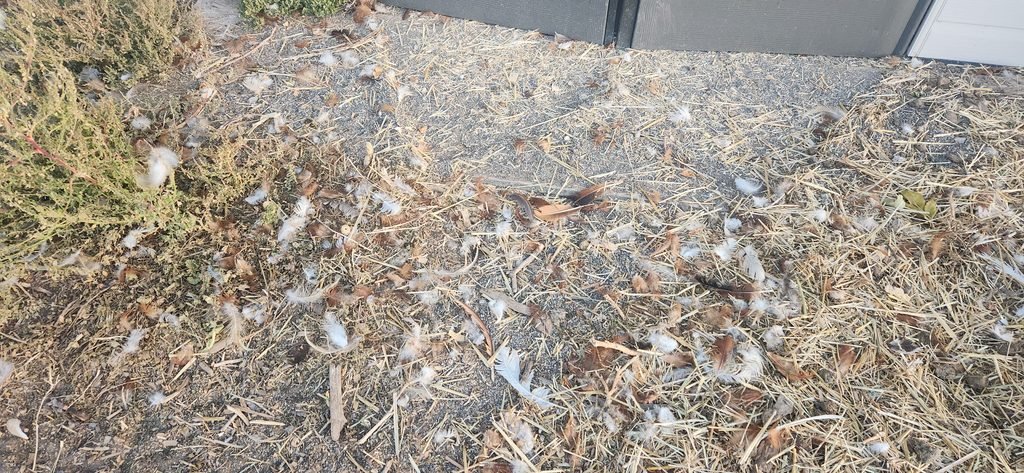
Feathers everywhere.
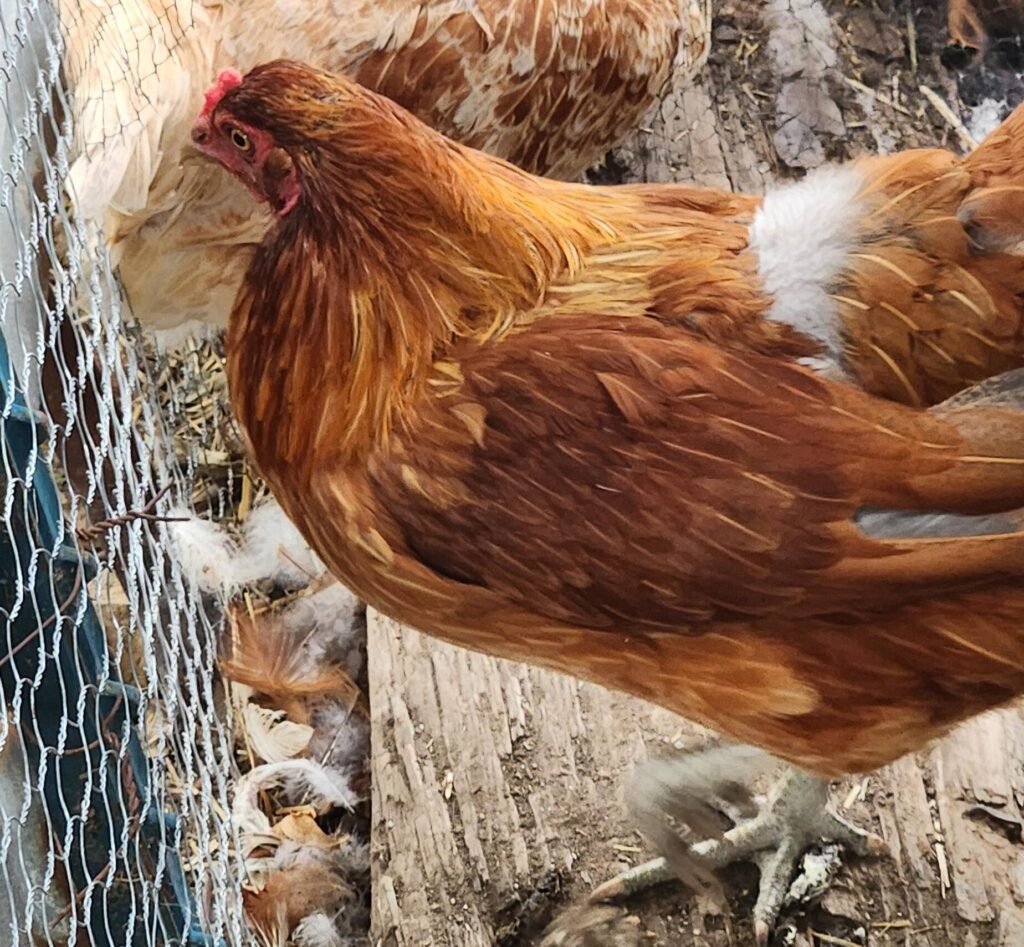
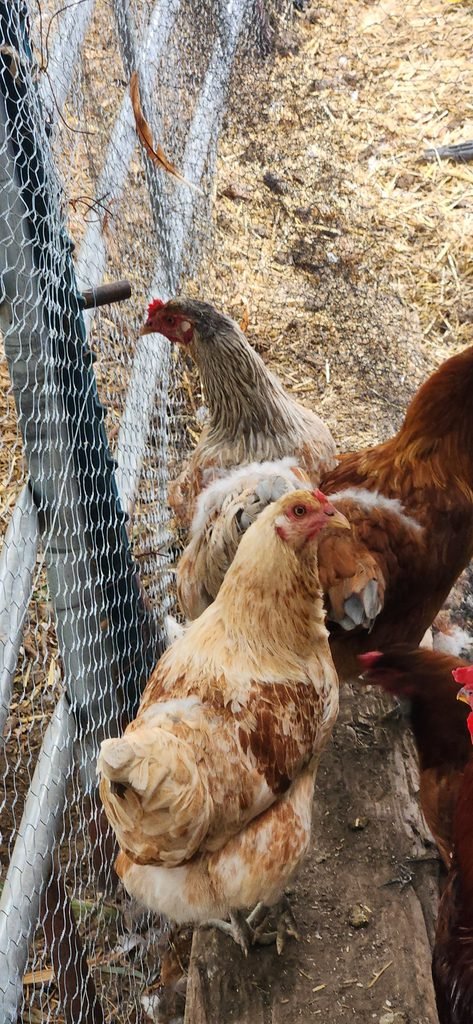
During molting, chickens will show obvious signs of feather loss, sometimes with bare patches of skin or areas where feathers that look fluffy or out of place. You can see this on the pictures below, right where the tail feathers meet the body. However, molting occurs throughout the body and this can occur anywhere on the chicken.
Chickens will also show a decrease in energy and egg production. Molting takes a lot of energy and requires their bodies to use extra protein to grow their new feathers. They may be less active and rest more often. They are likely to decrease egg production or even stop laying altogether for a time.
Chickens may also eat more feed than normal, be sensitive to touch, or more susceptible to cold during this time.
How long does chicken molting take?
Molting can take as little as four weeks, and up to three months, depending on the breed and health of your chicken. This includes time to lose old feathers and grow new feathers in fully.
What if it’s not molting?
Molting should not show with obvious signs of illness.
If your chicken is showing signs of difficulty breathing, not able to get to food and water, has a change in their droppings, has pale or blue waddles or comb, or is hunched up, please investigate further for medical issues.
What can I do to help my chickens through molt?
During molt, feed your chickens a high-protein diet. Generally, they need feed that is 16-20% protein during molting. You can supplement protein with treats like wheat, dried meal worms, or a flock block- but most of their protein needs should be filled through their feed so check labels and ensure your feed meets this protein percentage, especially during molt.
In addition to protein, your chickens need extra clean water. They will likely drink more than normal and keeping water cool, clean, and available can ensure they stay properly hydrated.
Keep the coop clean and ventilated, but draft-free. This gives them a safe place to stay warm and rest while preventing respiratory diseases and parasites that frequently show more as the weather cools. Make sure your coop stays dry, even in rainy or snowy weather.
Provide a stress-free environment. This is not the time to add new chickens to the flock, move everyone around, make a ton of noise, or be lax on your predator security. Added stress can further wear out your chickens, leading to even less energy and worsen overall health.
Don’t handle your chickens unless you have to during molting. Growing new feathers can be a bit like a baby teething. Those new feathers are sensitive.
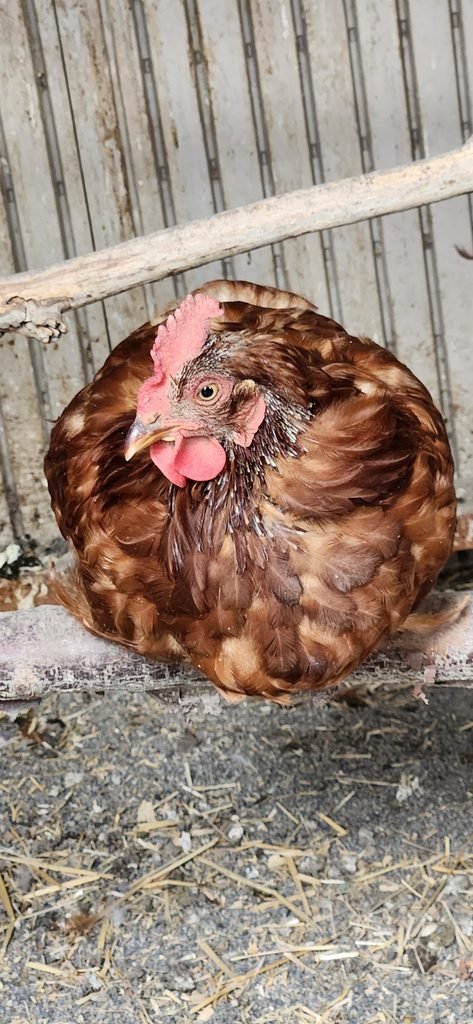
Finally, be patient with your flock. While you are providing more feed and extra work, they are laying fewer eggs. This can be frustrating, but it keeps your flock healthy and helps them weather the winter cold better.
There are products and tricks to boost egg production during this time, but pushing your chickens when their bodies are already working so hard can shorten their lives and lead to health issues.
Your flock, like everything else in nature, needs time to rest and recoup. Make them comfortable, give them a few extra treats, and boost their protein levels. Their egg production will come back as the daylight hours lengthen again and they become more energetic.
Just getting started with chickens? Check out 10 Must Have Supplies for Chicken Tending and make sure you have all you need!